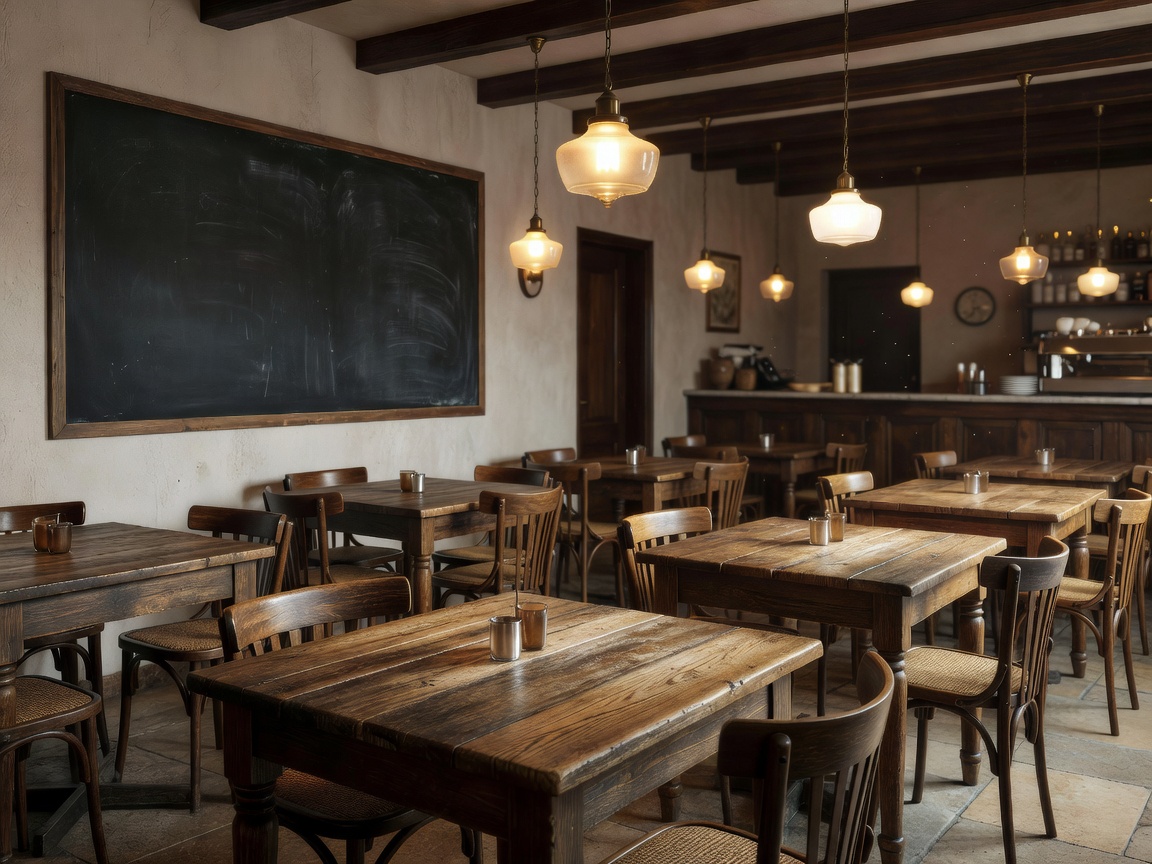
Atmospheric European bistro interior with timber tables, chalkboard menu, and warm pendant illumination
Taxonomy of Hospitality

European Restaurant Styles

Dining across Europe does not conform to a singular hospitality template. The experience of sharing a meal shifts radically depending on whether a venue operates as a neighbourhood tavern, an intimate chef-counter, an agricultural estate, or an elaborate tasting room.

By discerning these operational styles, diners can align their expectations regarding formality, service tempo, planning requirements, and budget.

The Contemporary Neighbourhood Bistro (Bistronomy)

Originating in Paris during the 1990s and subsequently adopted across London, Brussels, Copenhagen, and Vienna, the "bistronomie" movement dismantled the stiff conventions of haute cuisine. These venues operate with intentionally small dining spaces, bare wooden tables, compact service teams, and chalkboard menus that change depending on daily market supply.

The emphasis in a modern bistro is squarely on culinary precision and ingredient respect, while removing formal silver service, mandatory jacket dress codes, and costly decorative table settings. For diners, this delivers high-level chef execution in an informal, neighbourhood atmosphere.
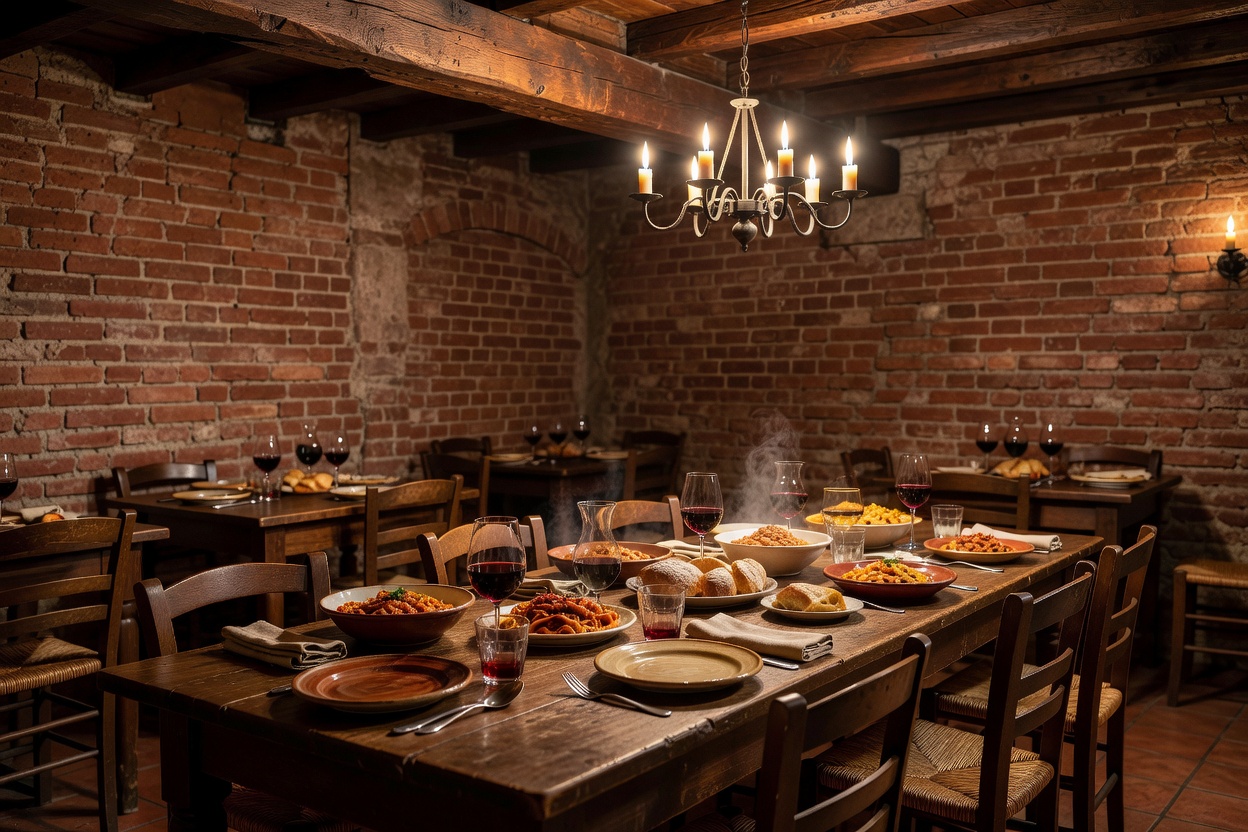
Cosy rustic osteria interior with brick walls and warm family-style table settings
Traditional Regional Formats

Trattorie, Tavernas, and Gasthäuser

These heritage venues represent the cultural backbone of European dining. Traditionally family-owned and multi-generational, they prioritize regional classics—slow-cooked stews, hand-cut pasta, spit-roasted meats, and dumplings—served with unpretentious hospitality.

Family-Operated Heritage Recipes Informal Hospitality
Explore Heritage Regions

Tasting-Menu Counters & Chef-Led Concept Spaces

In contemporary urban culinary hubs, the tasting menu format has largely migrated toward open kitchen counters. Guests sit alongside or facing the kitchen brigade, witnessing the preparation, plating, and finishing of eight to twelve precise courses.

This format demands considerable time commitment (typically two and a half to three hours) and requires booking weeks or months in advance. The style is ideal for adventurous diners seeking conceptual exploration, seasonal ingredient experiments, and close interaction with culinary teams.

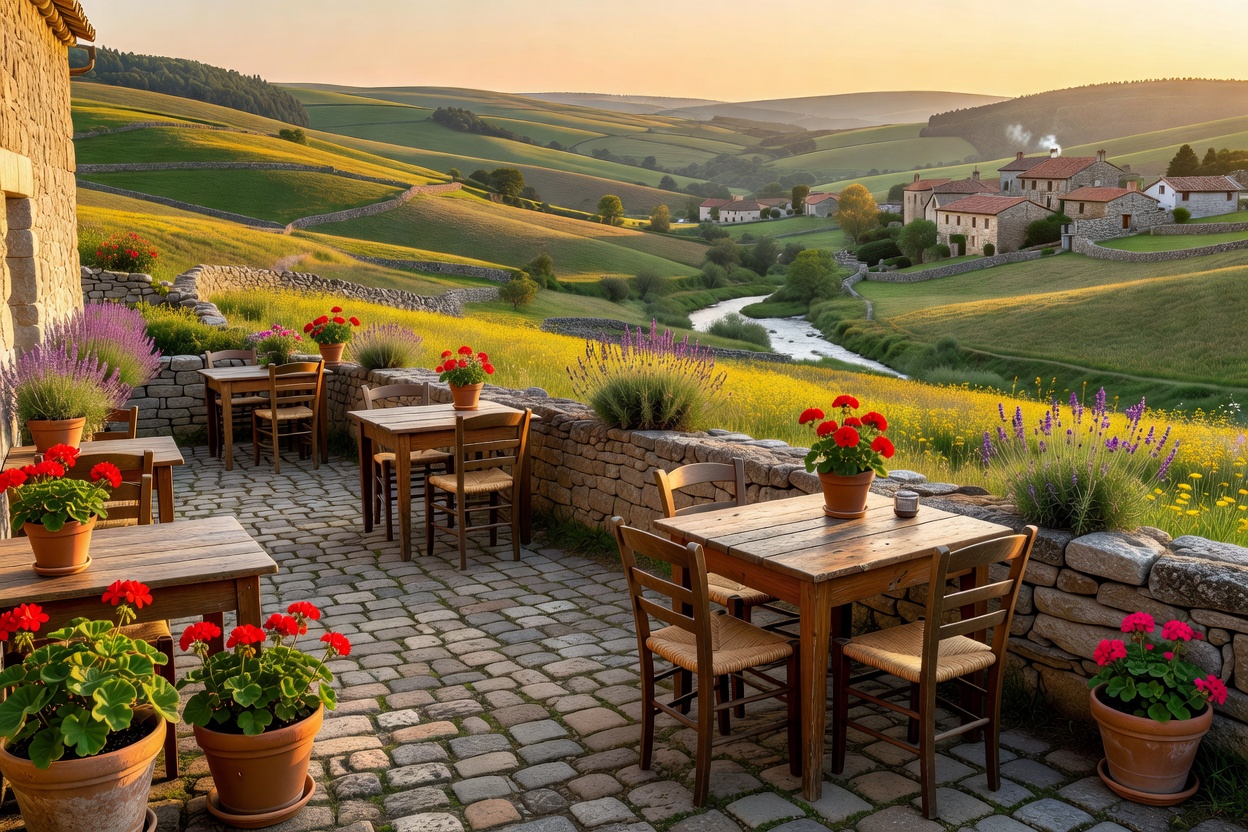
A quiet countryside restaurant terrace set in a rural European valley
Destination Dining

Rural Farmsteads & Destination Sanctuaries

Destination dining establishments are purposefully situated outside major urban areas—in Alpine valleys, along Scandinavian fjords, or within Mediterranean olive groves. Many cultivate their own kitchen gardens, orchards, and apiaries, offering guests complete immersion into the surrounding landscape.

Self-Sufficiency Estate Kitchens Rural Terroir
Planning Destination Detours

Market Stalls & Bar Counter Dining

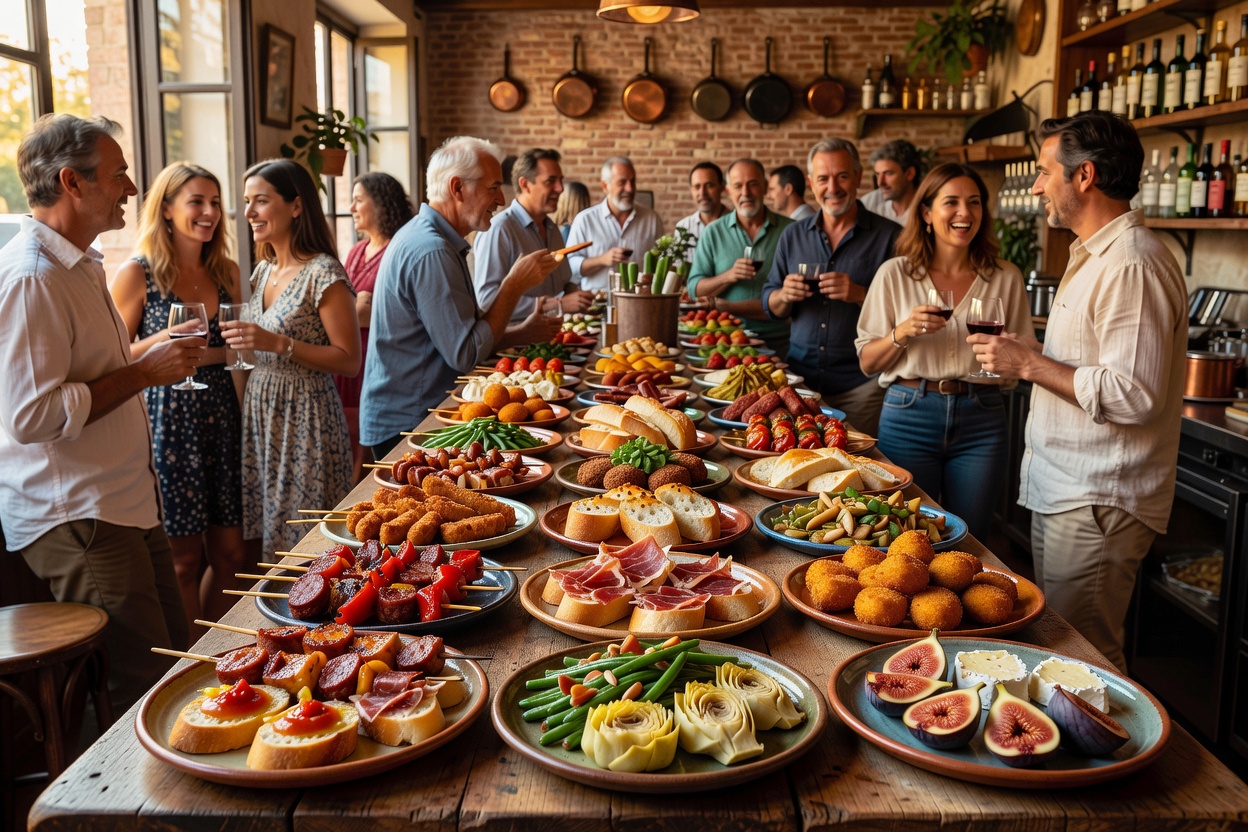
Particularly prominent in Spain (pinchos and tapas bars), Italy (bacari), and Portugal (tasquinhas), counter dining represents Europe’s most fluid culinary format. Patrons order small plates standing up or seated on high barstools, often pairing a single glass of regional beverage with preserved seafood, cured ham, or seasonal vegetables.

This style requires zero advance reservation, provides unmatched flexibility for solo travellers, and allows visitors to experience multiple culinary venues over a single evening.

Casual tapas bar with ceramic platters of freshly made pinchos and seasonal snacks
Micro-Formats

Comparing Formats by Occasion

Selecting the ideal style hinges on knowing whether your dining occasion calls for rapid communal energy or an immersive culinary performance. Matching your group size, schedule flexibility, and appetite to the restaurant model ensures a cohesive experience.

Occasion Analysis Pacing & Duration Solo Friendly
Check Occasion Matrix