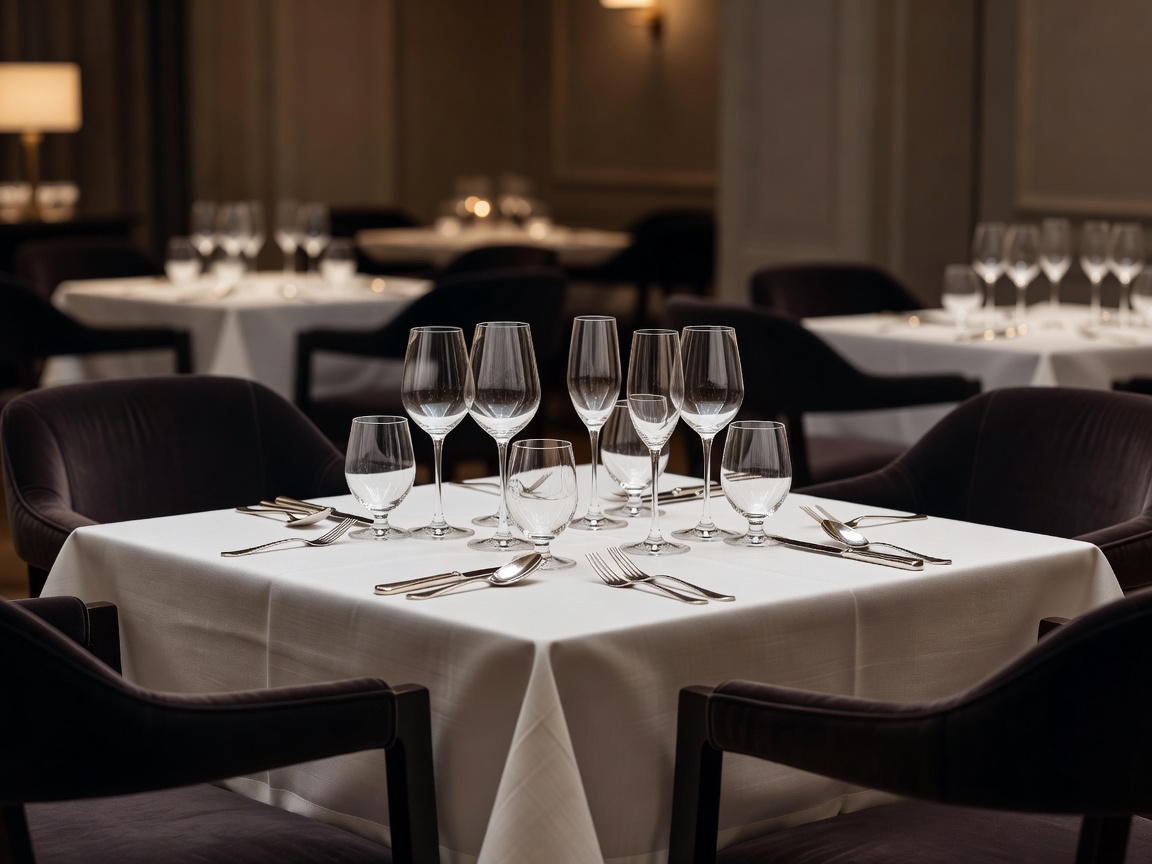
Elegant restaurant table setting with fine glassware, cutlery, and comfortable seating
Methodology & Framework

Choosing a Restaurant

Selecting a memorable restaurant in Europe is rarely about finding "the best" establishment. The most rewarding dining experiences happen when a venue's pacing, format, atmosphere, and culinary philosophy align with your specific dining occasion.

This editorial framework provides 16 criteria to help diners make intentional, informed choices without relying on generic online star ratings.

The 16-Point European Restaurant Decision Framework

Before confirming a reservation or walking through a dining room door, evaluate the establishment across these primary dimensions:

1. Location & Setting

Is the venue situated in a residential neighbourhood, a busy commercial centre, or a rural valley requiring transport?

2. Cuisine & Heritage

Does the kitchen present micro-regional traditions or contemporary international interpretations?

3. Occasion Appropriateness

Is the meal suited to solitary contemplation, intimate conversation, or lively group conviviality?

4. Acoustic Atmosphere

Will the background noise levels allow unhurried dialogue, or is the environment high-energy and brisk?

5. Menu Structure

Does the restaurant offer à la carte flexibility, a set lunch formula, or an inflexible multi-course tasting progression?

6. Seasonal Focus

Does the menu explicitly adapt to weekly market deliveries and regional harvest windows?

7. Chef Leadership

Is the kitchen run by an independent owner-operator or managed by a hospitality investment group?

8. Dietary Adaptability

Can the brigade accommodate vegetarian, pescatarian, or allergen requirements without degrading the culinary narrative?

9. Physical Accessibility

Does the physical structure (historic stone steps, narrow basements) accommodate all members of your dining party?

10. Group Scalability

Is the dining room optimized for solo diners, pairs, or does it comfortably host parties larger than four?

11. Reservation Horizon

Does booking require booking calendar alarms 60 days ahead, or does the venue hold space for walk-ins?

12. Dining Duration

Will the meal take 45 minutes (bistro lunch) or over three hours (evening tasting sequence)?

13. Transparent Pricing

Are menu prices inclusive of VAT/service, and does the venue clearly communicate water, bread, and cover charges (coperto)?

14. Neighbourhood Character

Does visiting the restaurant offer an opportunity to explore an architecturally interesting quarter?

15. Culinary Reputation

Is the restaurant recognized for consistent kitchen execution rather than short-lived social media aesthetics?

16. Destination Detour Value

Does the dining experience justify an intentional journey by rail or regional road?
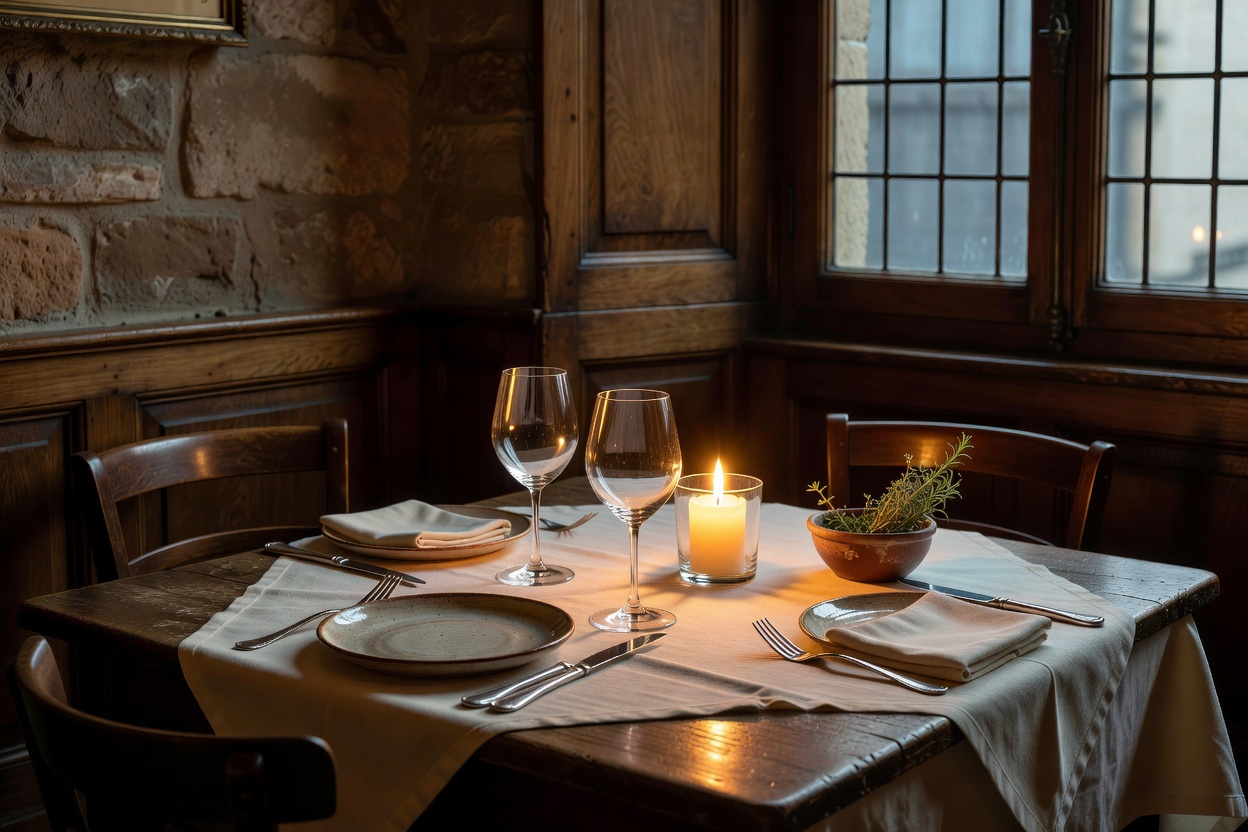
Cosy candlelit table setting in a quiet European restaurant corner
Occasion Alignment

Matching Restaurant Style to Your Dining Goal

An elaborate 12-course tasting menu can overwhelm a casual reunion with friends, just as a noisy, packed tapas counter may fail for an intimate anniversary. Identifying your primary occasion goal ensures your choice fits the moment.

Pacing Matching Acoustic Comfort Occasion First
Review Restaurant Styles

Comparing Options: Practical Scenarios

Consider how different dining choices compare in real-world scenarios:

Solo Travellers: Open counter dining or wine bar bistros offer an engaging atmosphere where single diners feel welcome, whereas formal dining rooms with large round tables can feel isolating.

Time-Constrained Diners: Traditional weekday set lunches (e.g. French formule du midi or Spanish menú del día) provide fast service and exceptional value without sacrificing kitchen quality.

Curious Explorers: Destination farmsteads and rural osterie offer deep cultural immersion and distinct flavours, rewarding travellers who plan a detour.

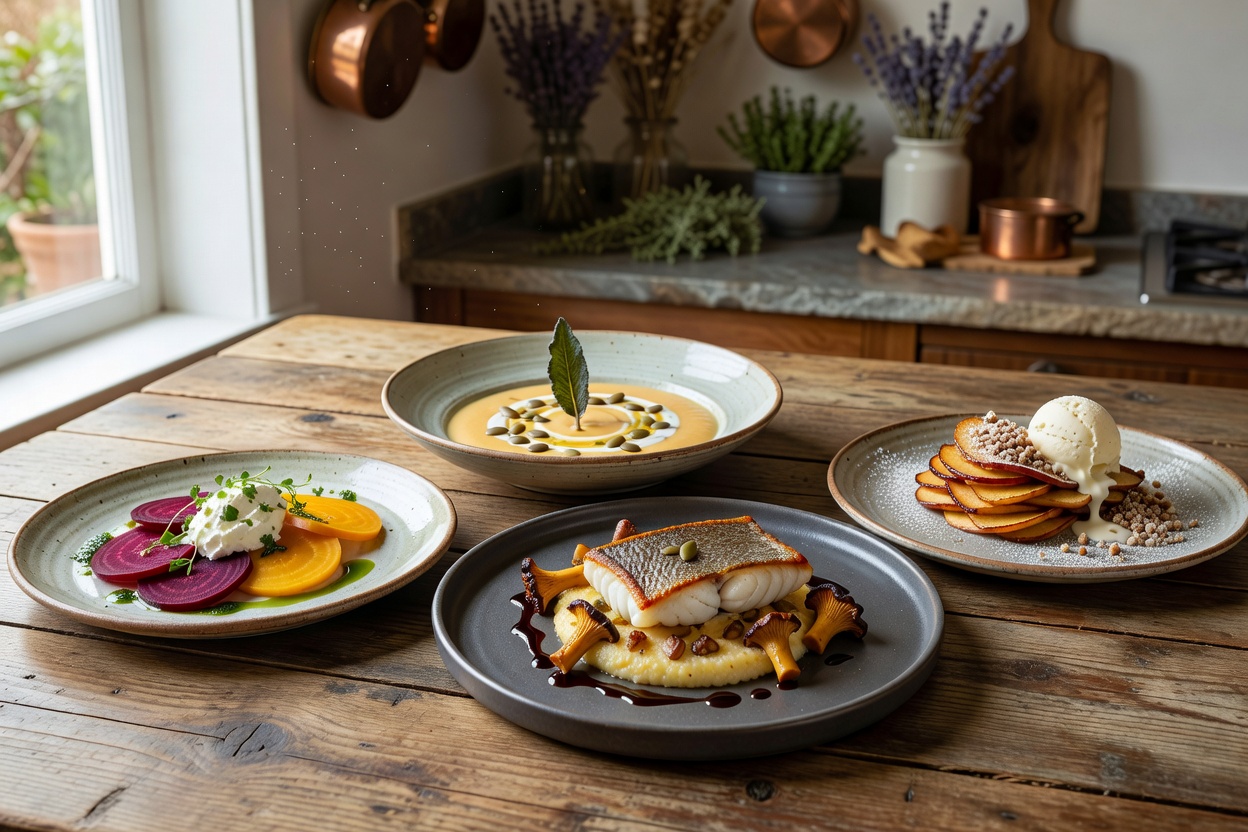
Beautifully presented seasonal course highlighting artisanal ingredients
Practical Checklist

Final Pre-Booking Verification

Before finalising your reservation, verify cancellation terms, double-check whether dietary requirements can be accommodated, and review dress guidelines. A few minutes of advance preparation ensures a relaxed, seamless dining experience.

Reservation Policy Dietary Check Confirmation
Explore Dining Cities
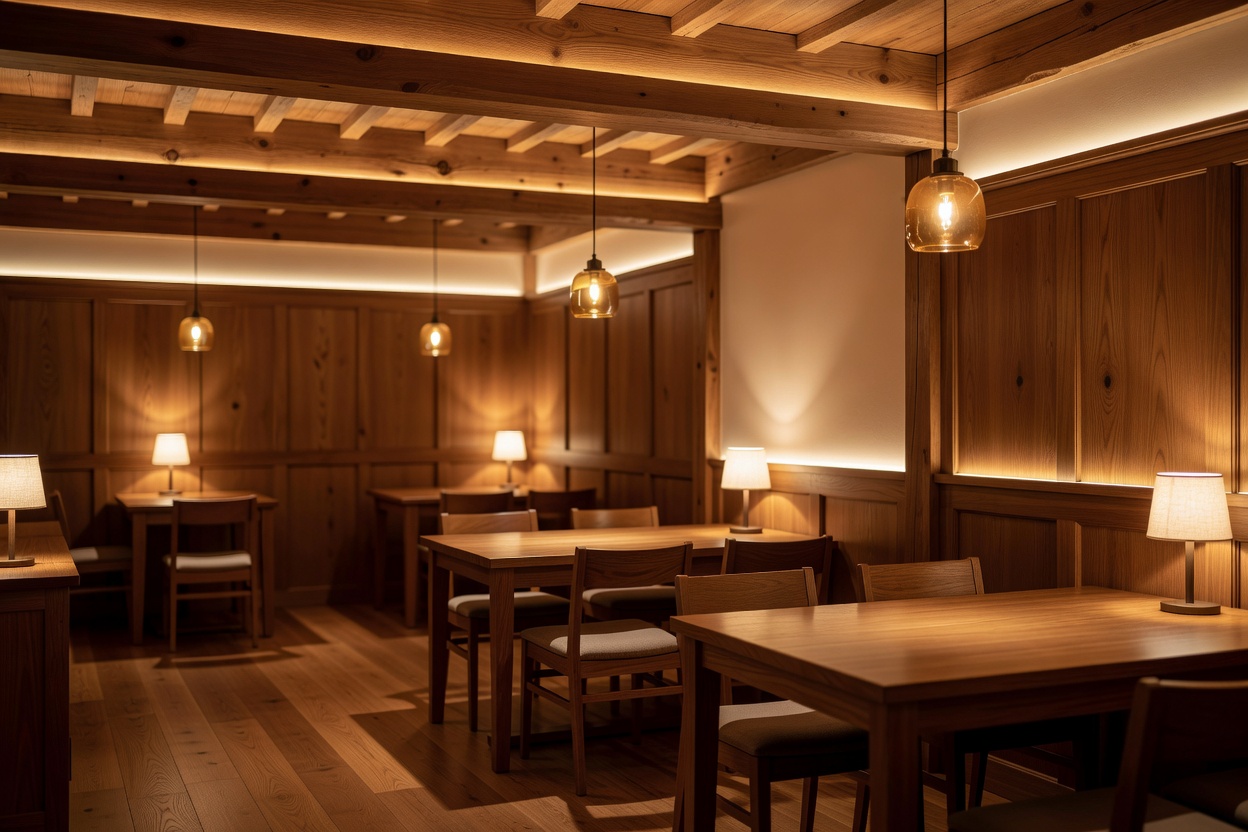
Warm timber restaurant interior with quiet tables and thoughtful lighting design
Independent Publishing

Editorial Independence Commitment

Our publication does not operate a booking engine, receive commercial booking commissions, or accept paid rankings. Our analysis remains editorial and objective, aimed at encouraging thoughtful dining choices across Europe.

No Commissions No Paid Ranks Editorial Integrity
Contact Our Editorial Team