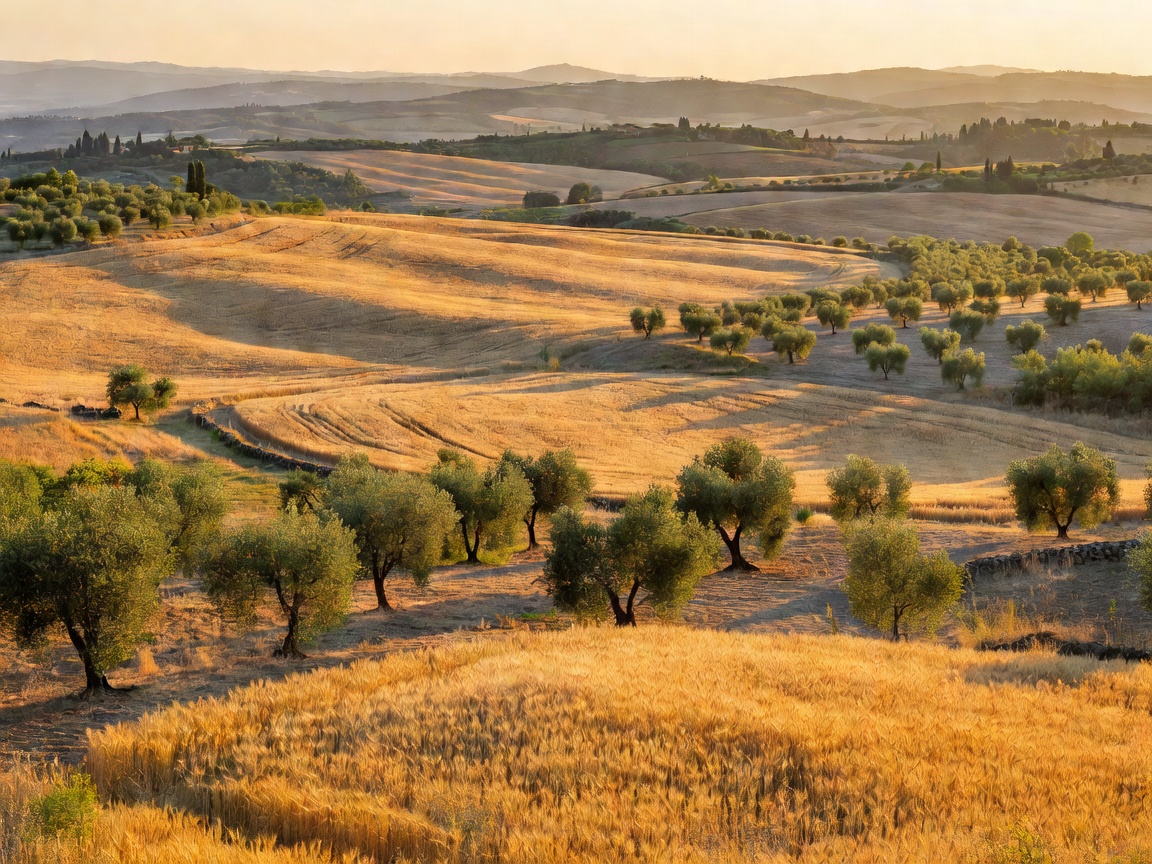
Rolling European agricultural landscape with golden fields, olive groves, and distant hills
Geographic Gastronomy

Regional Dining Across Europe

To speak of "European cuisine" as a singular entity overlooks the continent’s complex geographic realities. European culinary traditions are defined by mountain barriers, river valleys, coastal shorelines, and climatic zones.

Understanding food in Europe requires looking beyond modern national borders to examine micro-regions: where geological soil, prevailing winds, and historical migration routes have defined what lands on the plate.

The Mediterranean Basin: Sun, Salt, and Ancient Trees

Across coastal Spain, Southern France, Italy, and Greece, dining is shaped by the Mediterranean climate: warm, dry summers and mild, rainy winters. Cooking here relies on three historic pillars: olive oil, durum wheat, and vine products.

Regional restaurants celebrate natural sweetness from sun-ripened nightshades (tomatoes, aubergines, peppers), fresh wild herbs (rosemary, thyme, oregano), and day-boat catches landed at local quays. The regional philosophy focuses on letting high-quality raw ingredients speak with minimal kitchen masking.
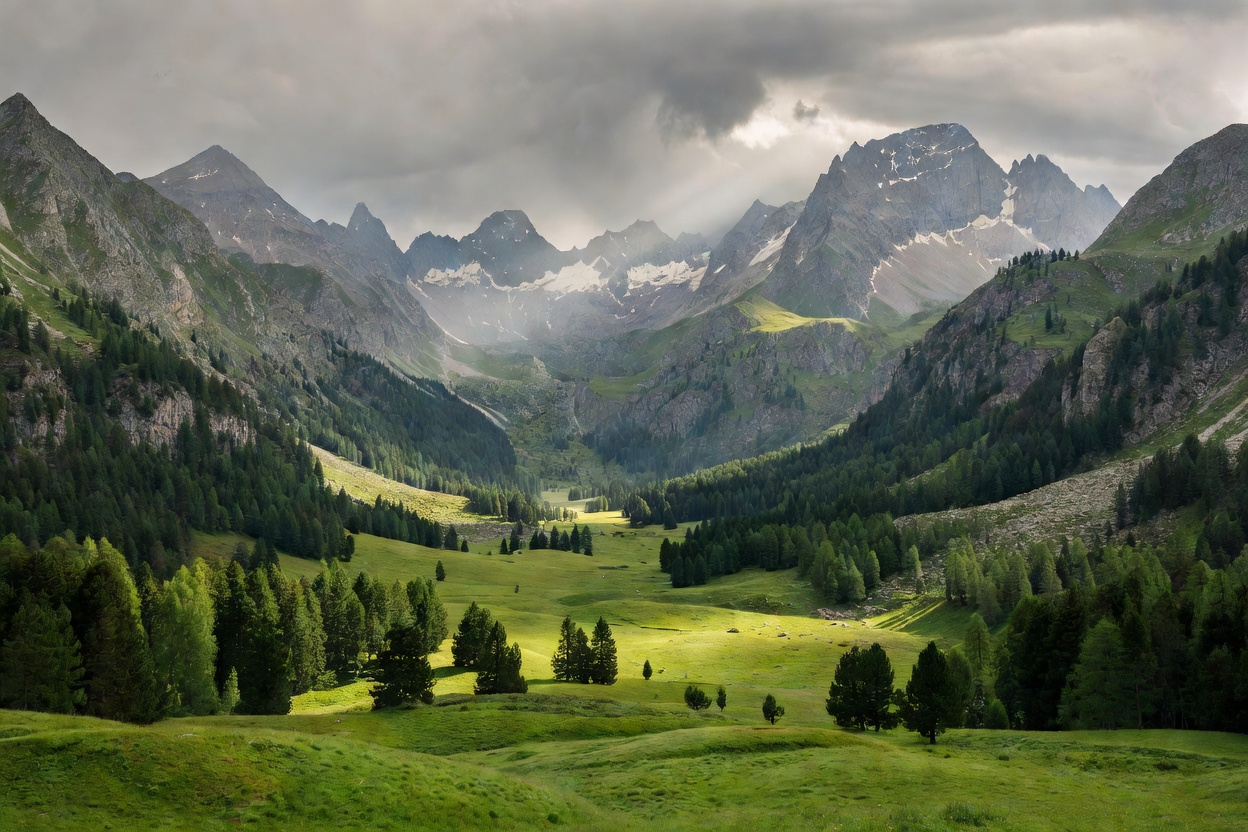
Dramatic Alpine mountain valley with green meadows, pine forests, and high peaks
Alpine Culture

The Alpine Arc: Cheese, Curing, and High Altitude

Encompassing parts of France, Switzerland, Italy, Austria, and Slovenia, the Alps share distinct culinary survival methods. Mountain isolation dictated summer pasture grazing (transhumance) and the production of hard, aged cheeses, air-cured meats, polenta, and hearty buckwheat pastas.

High Pastures Aged Dairy Cold-Climate Game
Explore Mountain Gasthäuser

Northern Europe & the Baltic: Preservation and Cold Seas

In Scandinavia, the Baltic states, and Northern Britain, short growing seasons historically demanded extensive preservation methods: smoking, pickling, salting, drying, and lactic fermentation. Rather than viewing these as limitations, contemporary Nordic dining has transformed these techniques into complex culinary signatures.

Cold-water seafood—such as herring, langoustine, cod, and mackerel—features distinct fat content and firm texture, paired with rye breads, brassicas, root vegetables, and foraged forest berries.

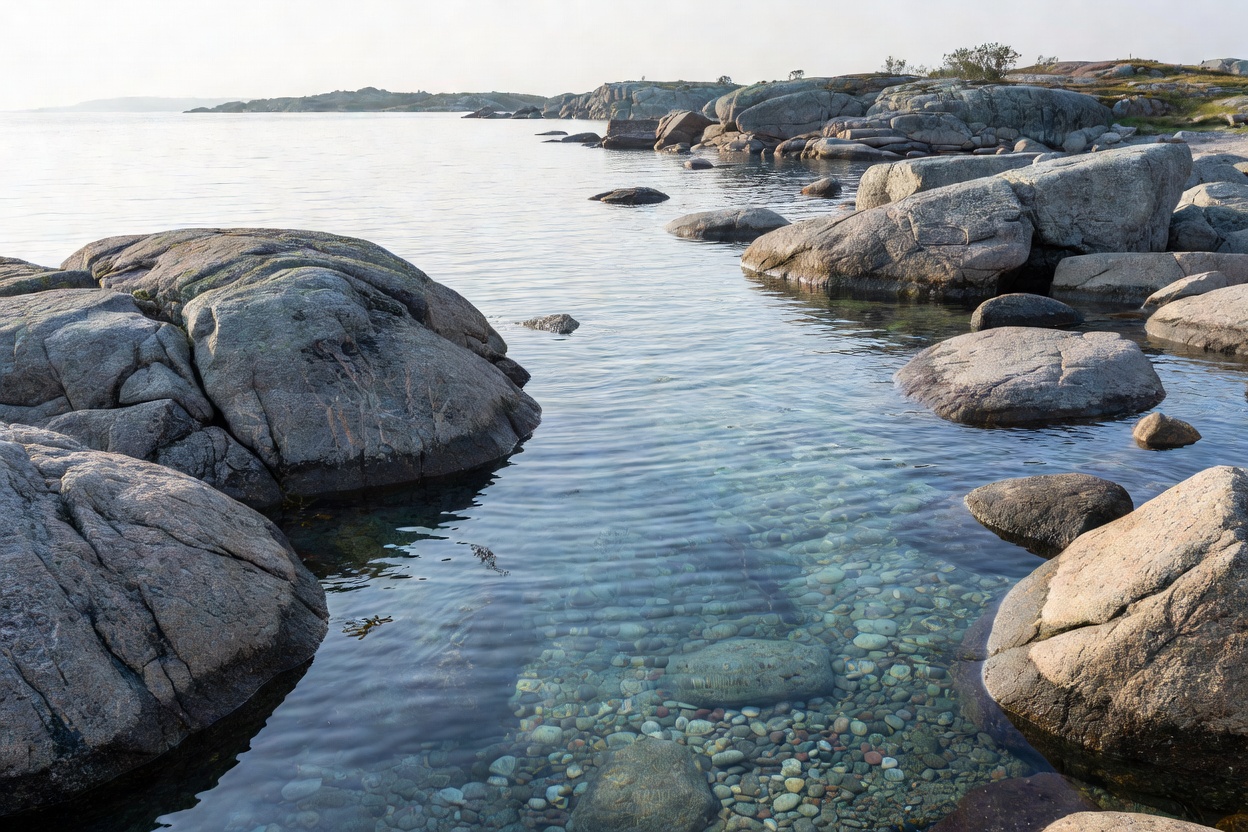
Nordic shoreline landscape with granite boulders and clear coastal waters
Atlantic & Nordic Maritime

Coastal Foraging & Oceanic Currents

The North Atlantic and North Sea provide cold, oxygen-rich environments producing exceptional shellfish and coastal seaweeds. Coastal dining here balances oceanic brine with earthy forest mushrooms, pine infusions, and preserved rowanberries.

Cold Water Catch Coastal Foraging Forest Terroir
See Nordic Chef Leaders

Central & Eastern Europe: Forest, Game, and River Valleys

From the Danube basin to the Carpathians, Central and Eastern European gastronomy is grounded in forest resources, freshwater rivers, and rich agricultural soils. Historic royal courts and rural farming communities left a shared legacy of savoury dumplings, slow-simmered paprika goulash, roasted river pike-perch, wild game, and sour cream emulsions.

Restaurants across Hungary, Poland, the Czech Republic, and Romania increasingly highlight regional varieties of cabbage, wild mushrooms, and orchard stone fruits that have sustained communities across centuries.

Sunlight streaming through dense European forest trees where wild mushrooms and herbs grow
Terroir Preservation

Why Micro-Regional Dining Matters to Diners

When travellers choose restaurants that adhere to micro-regional sourcing, they experience authentic culinary diversity. Seeking out regional specialities protects indigenous crops, livestock breeds, and artisanal food production from commercial homogenization.

Biodiversity Heirloom Crops Cultural Continuity
Selection Framework