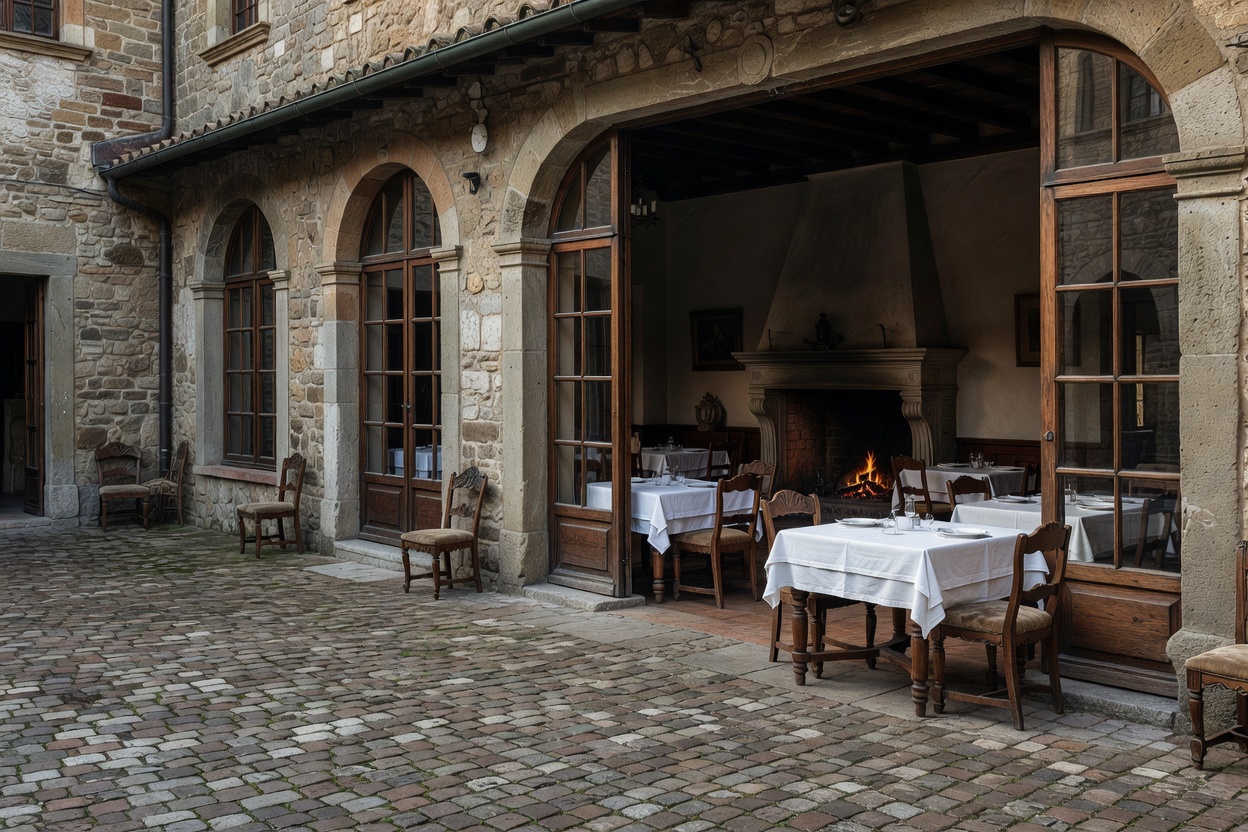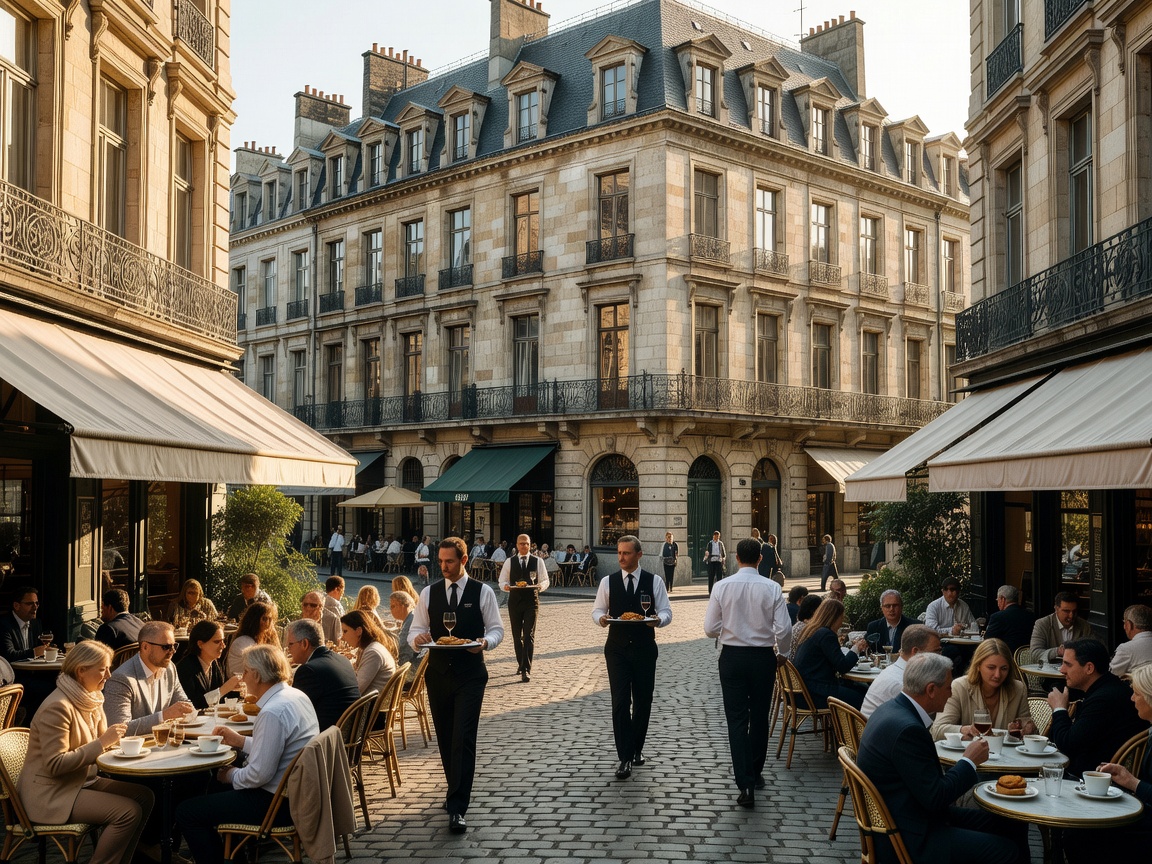
Urban European streetscape with classic architecture and bustling pavement dining cafes
Urban Gastronomic Geography

European Dining Cities

Europe's culinary identity is anchored in its historic municipalities. Rather than viewing cities simply as concentrations of luxury dining, an informed analysis considers how municipal markets, residential density, municipal regulations, and regional trade corridors shape dining habits.

Understanding the distinction between primary capital hubs and mid-sized gastronomic epicentres allows diners to evaluate why certain cities produce distinctive restaurant cultures.

Capitals Versus Regional Food Capitals

European capital cities such as Paris, London, Rome, and Madrid possess immense cosmopolitan scale. Their dining landscapes attract international techniques, global talent, and diverse supplier networks. However, large metropolitan centres face high commercial property leases, which can compress kitchen experimentation or compel restaurateurs toward safe formulas.

In contrast, regional destinations like Lyon in France, Bologna in Italy, or San Sebastián in Spain have developed their dining identities through deep regional specialisation. In these cities, dining remains an expression of civic pride. Recipes are passed down through culinary guilds, local butchers, and vegetable markets that have occupied the same public squares for centuries.
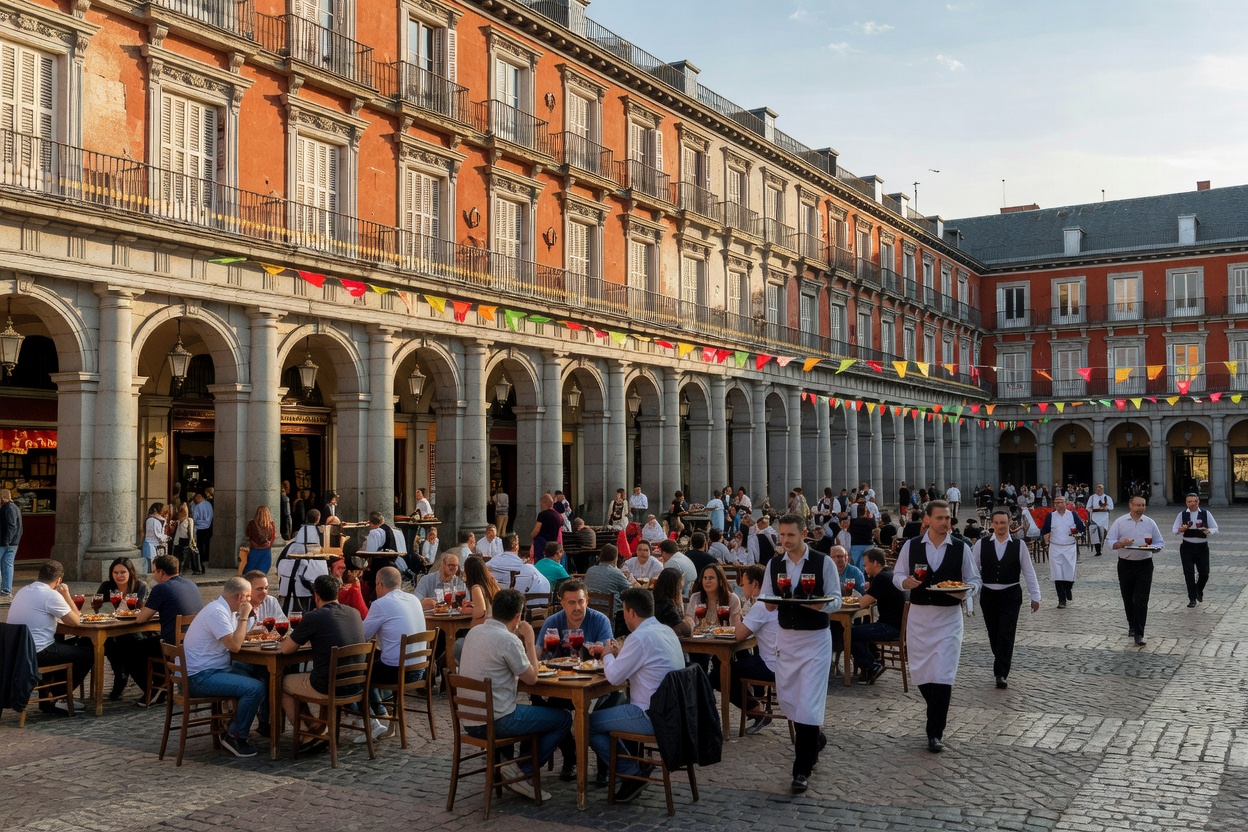
Plaza Mayor in Madrid featuring historic colonnades and bustling traditional Spanish tapas terraces
Southern European Capitals

Madrid & Rome: The Architecture of Neighbourhood Social Dining

In Mediterranean cities, the restaurant is an extension of living rooms. From the tascas of Chamberí in Madrid to the trattorie of Testaccio in Rome, dining is rooted in multi-generational patron networks. Menus favour seasonal offal, regional legumes, and heritage grain preparations that reflect regional agricultural ties.

Market Dining Neighbourhood Trattorie Historic Quarters
Explore Trattoria Styles

The Role of Covered Food Halls & Historic Markets

A city’s restaurant quality is often directly correlated to the health of its central wholesale and retail markets. The presence of historic markets like the Mercat de la Boqueria in Barcelona, the Naschmarkt in Vienna, or the Torvehallerne in Copenhagen creates a direct daily pipeline between micro-farmers, fishmongers, and neighbouring restaurant chefs.

Where independent food markets thrive, restaurant kitchens are not reliant on pre-packaged logistics. Chefs can plan daily specials based strictly on morning deliveries, fostering seasonal elasticity and menu spontaneity.

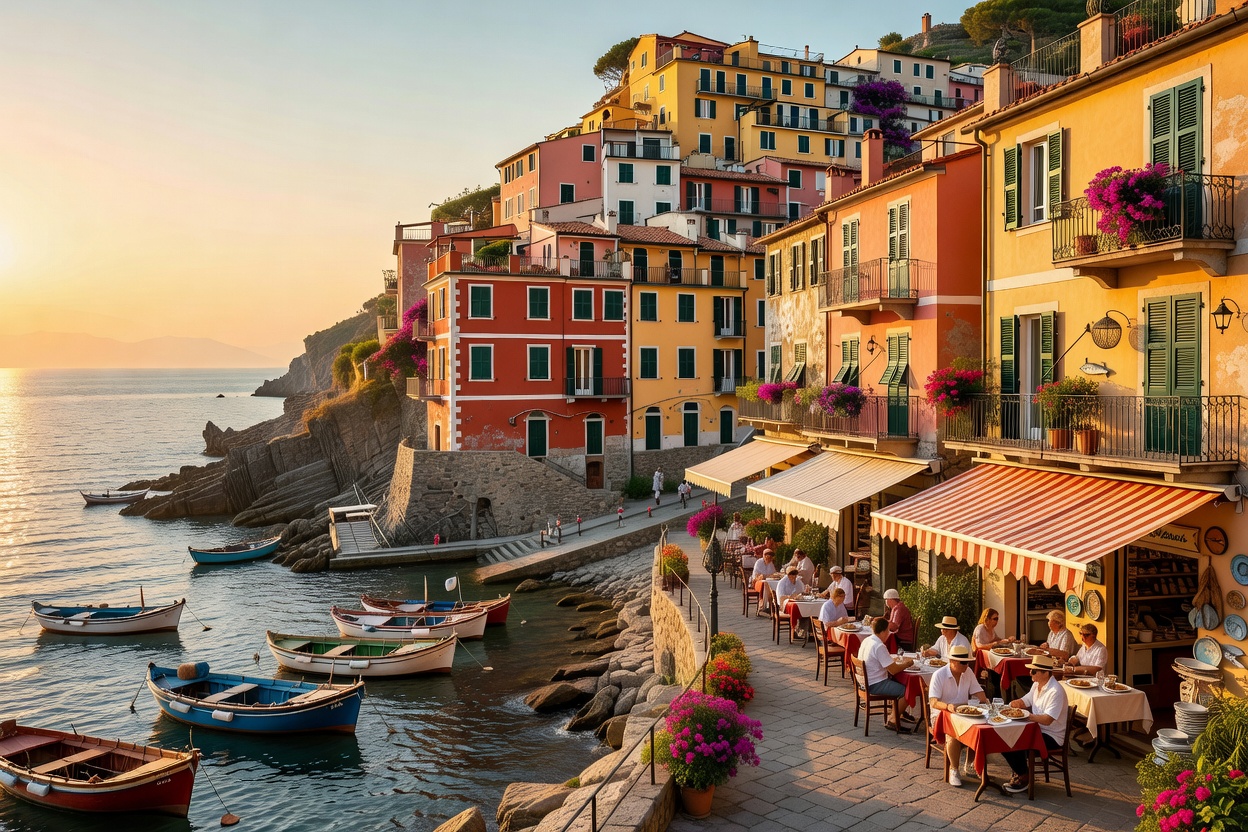
Picturesque Italian coastal town with colourful houses overlooking the sea and seafood trattorias
Maritime Gastronomy

Coastal Sanctuaries: Maritime Urban Dining

Coastal ports such as Genoa, Valencia, Marseille, and Porto develop culinary landscapes fundamentally defined by daily tide and catch variations. Here, cooking requires minimal intervention, emphasizing fish preservation, wood-fired grilling, and delicate sea-salt seasoning.

Harbour Ports Artisanal Catch Coastal Heritage
Discover Coastal Food

Comparing Dining Ecosystems Across Europe

When comparing destinations, thoughtful travellers observe the division between tourism corridors and residential dining enclaves. In cities like Berlin or Amsterdam, progressive, plant-forward and fermentation-driven independent bistros tend to locate in outer residential neighbourhoods like Neukölln or De Pijp, where lower rents afford creative culinary risks.

Meanwhile, in cities like Vienna or Munich, culinary tradition remains deeply anchored in central city-centre taverns, beer halls, and historic coffeehouses that have maintained structural stability across centuries.

Historic European cobblestone courtyard outside a traditional dining room
Alpine & Central Hubs

Central European Micro-Metropolises

Urban centres across Switzerland, Austria, and Southern Germany demonstrate how civic wealth and Alpine proximity foster refined, technique-driven kitchens that celebrate game, mountain cheeses, and freshwater river fish.

Central Europe River & Lake Fish Alpine Produce
How to Choose City Venues