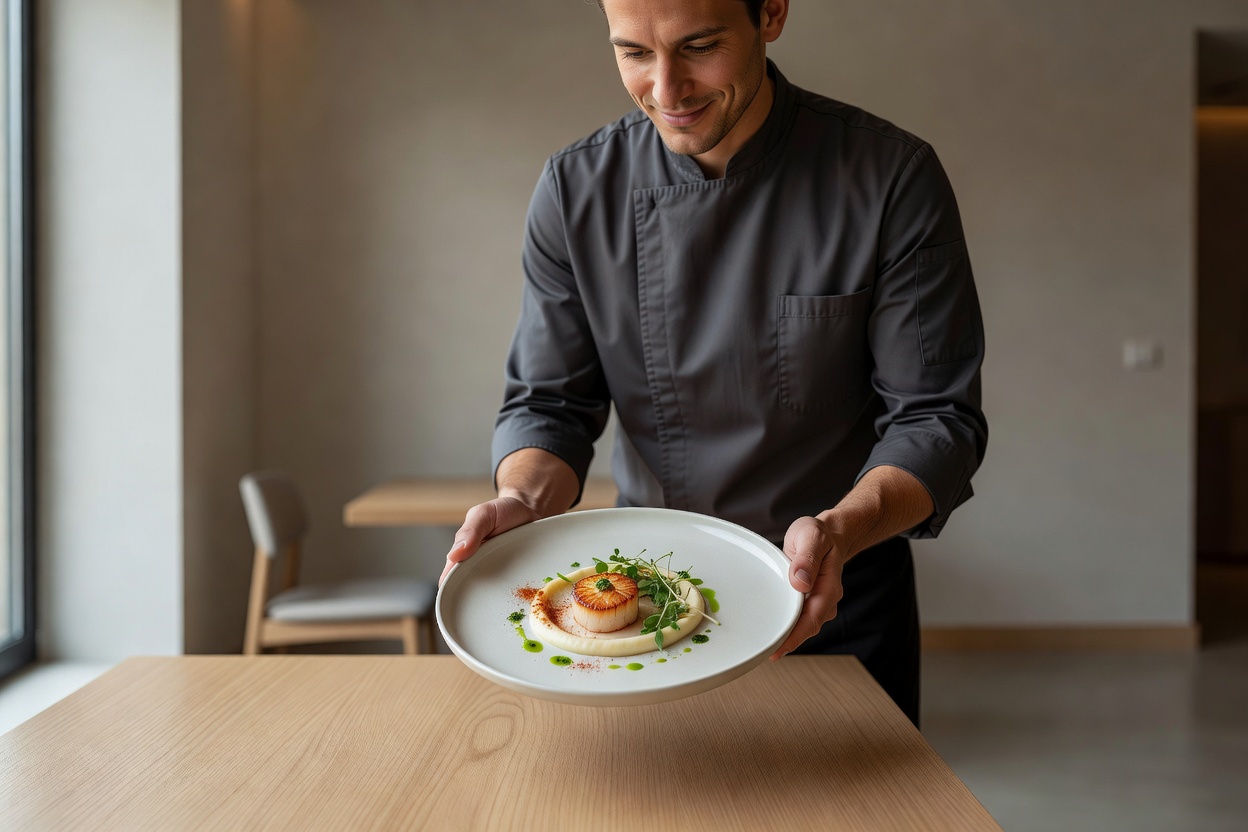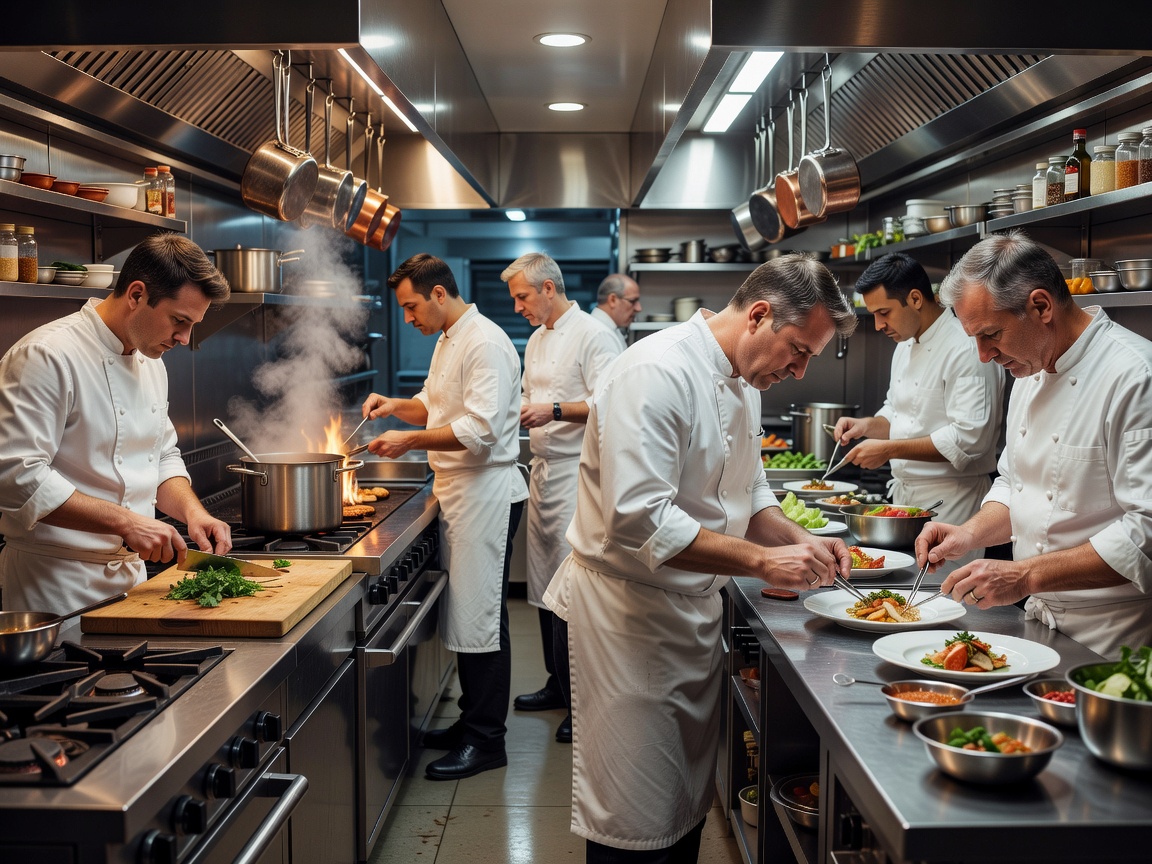
Chefs collaborating attentively in a professional open restaurant kitchen
Kitchen Leadership

Emerging Chefs in Europe

A notable transformation is taking place across European professional kitchens. A rising generation of cooks is moving away from corporate hospitality hierarchies to establish small, independent restaurants where culinary identity is built on transparency, direct agricultural partnerships, and cultural continuity.

Rather than chasing marketing buzz or commercial accolades, these chefs distinguish themselves by rethinking how ingredients are grown, sourced, preserved, and served.

Rethinking Culinary Hierarchy and Kitchen Culture

Historically, European classical gastronomy was organized around rigid brigade systems developed in nineteenth-century French grand hotels. Today's emerging head chefs are frequently opting for flatter team structures, sustainable four-day operating schedules, and cooperative kitchen duties.

This shift directly affects the food on the table. Kitchen teams operating with sustainable workloads produce dishes that exhibit clearer intention, lower staff turnover, and continuous evolutionary development rather than mechanical repetition.
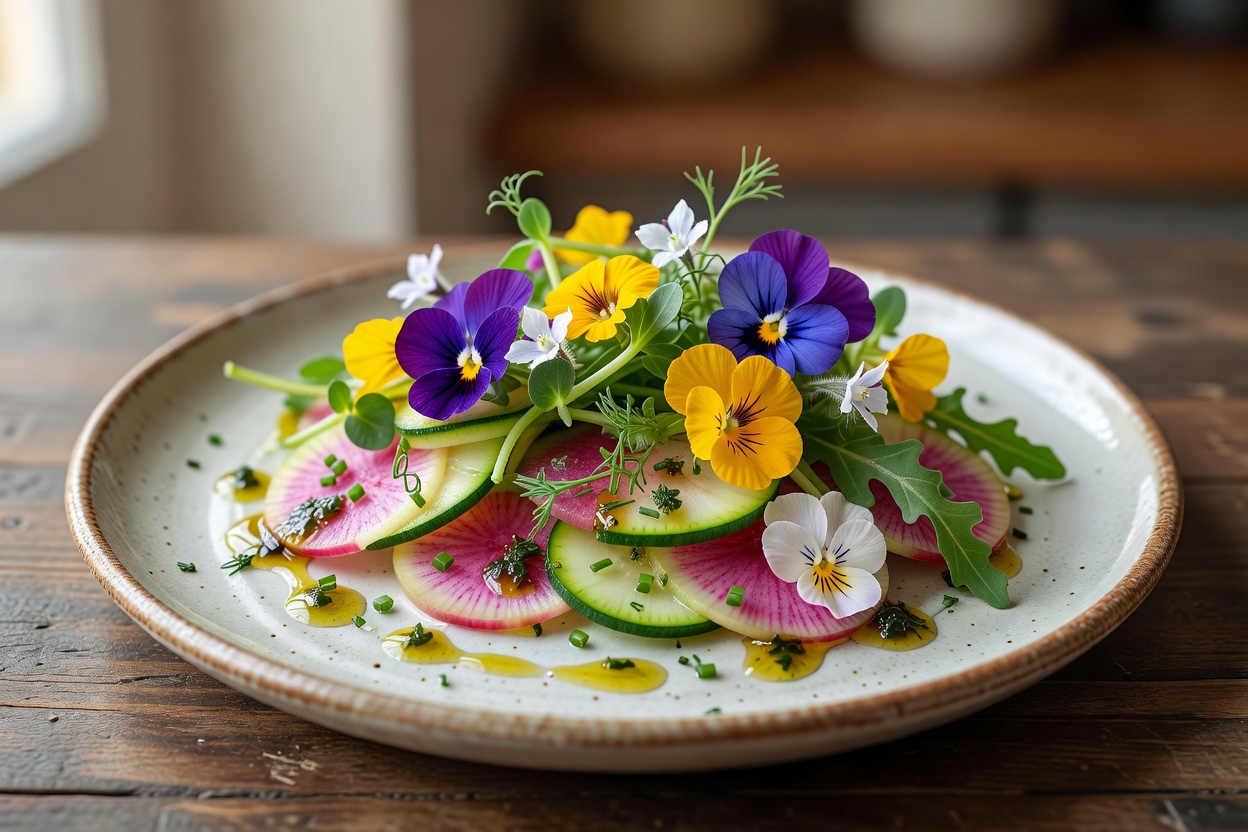
Plated seasonal starter showcasing delicate herbs, edible flowers, and cold-pressed oil dressings
Ingredient Philosophy

Hyper-Seasonal and Micro-Batch Sourcing

Younger culinary directors are establishing single-producer relationships: acquiring whole animals directly from regenerative pastures, sourcing ancient grain flours from artisanal millers, and commissioning heirloom varieties from heritage seed conservatories.

Regenerative Ag Direct Contracts Traceability
Explore Regional Terroir

Reinterpreting Regional Heritage Without Nostalgia

Emerging European chefs rarely abandon their cultural heritage; instead, they strip away heavy, outdated cooking methods. In Central and Eastern Europe, chefs are reinterpreting preserved cabbage, root vegetables, freshwater river fish, and dairy curd using modern temperature-controlled cooking and lactic fermentations.

Similarly, in Southern Europe, young culinary leaders are returning to historic peasant preparations (cucina povera in Italy, cocina de subsistencia in Spain), demonstrating that extraordinary gastronomic depth can be achieved from legumes, wild greens, and humble fish varieties.

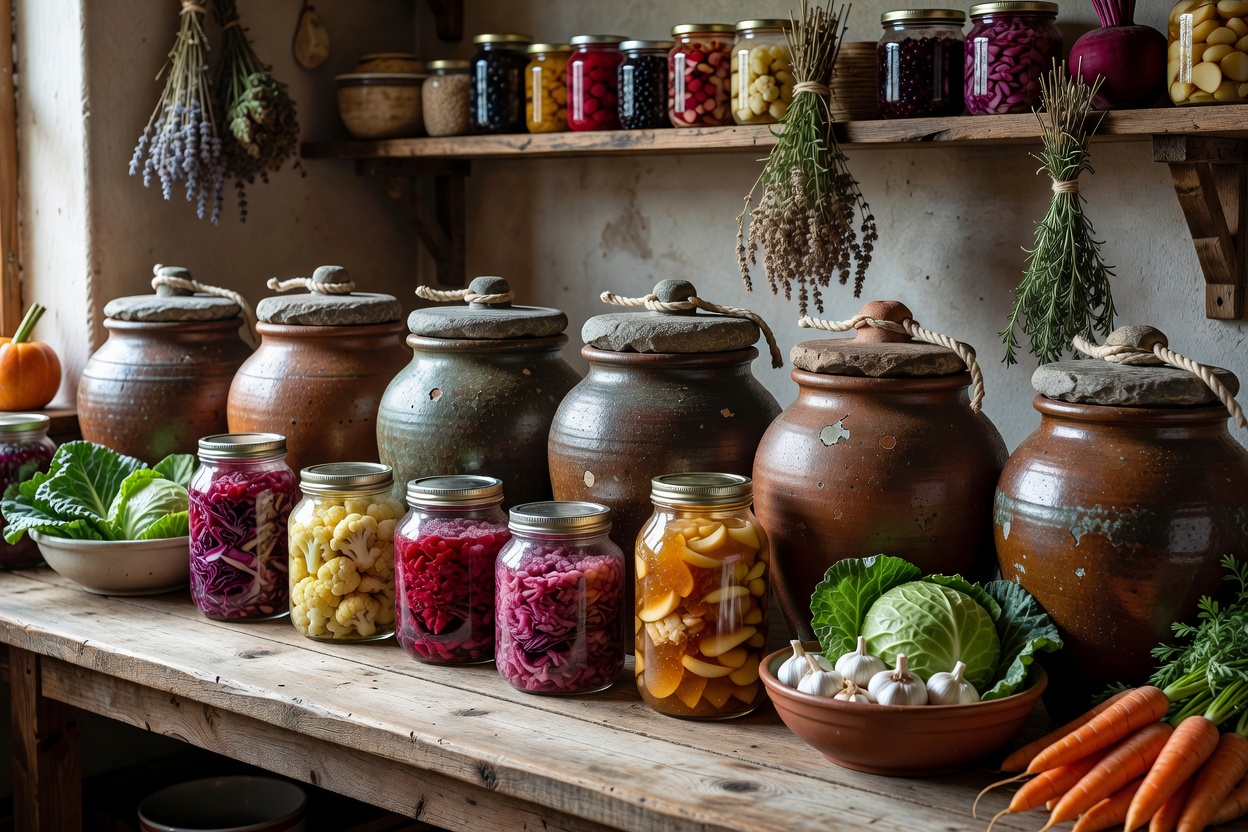
Kitchen station displaying fermenting earthenware crocks and preserved seasonal ingredients
Kitchen Methodology

Fermentation, Koji, and Preservation Alchemy

Across Northern and Western Europe, preservation is no longer treated as a winter survival mechanism, but as a flavour-building cornerstone. House-made vinegars, koji garums, and salted herb pastes replace manufactured seasoning agents.

Natural Fermentation Zero Waste Complex Umami
See Restaurant Formats

How Discerning Diners Can Identify Promising Kitchens

How does one recognise a notable emerging chef before they receive institutional recognition? Look for key operational markers:

1. The menu explicitly credits specific farms, orchards, and fisheries rather than naming generic regions.
2. The beverage program features low-intervention, artisanal producers that align with the kitchen's agricultural ethics.
3. The menu remains concise—rarely exceeding 5 to 7 savoury dishes at lunch or dinner.
4. The restaurant owners are actively working inside the kitchen and dining room during daily service.

Modern chef presenting a finished artisan dish in an understated dining setting
Independent Ownership

Independent Restaurant Viability

Supporting independent chef-owned venues fosters culinary diversity across European cities. When diners patronise independent venues, they directly sustain agricultural ecosystems and local culinary trade.

Chef Ownership Local Economy Culinary Heritage
Decision Framework