European Dining Cities
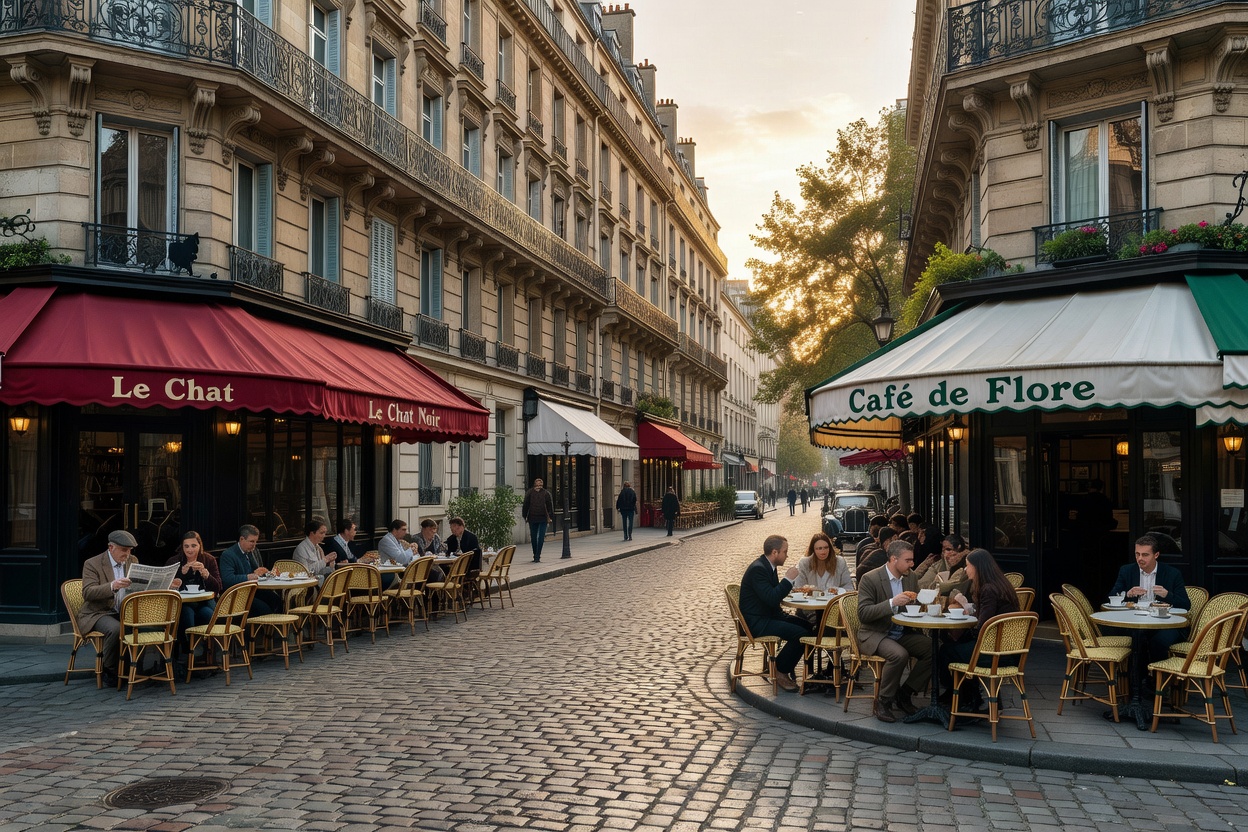
From established capitals like Paris and Rome to compact regional capitals like San Sebastián and Lyon. Discover how urban density, history, and civic markets cultivate singular food scenes.
Read Cities GuideExploring the culinary geography, distinct kitchen philosophies, and destination dining environments shaping Europe today. An objective resource designed for thoughtful diners.
Navigate our five comprehensive thematic guides exploring the urban centres, kitchen structures, emerging figures, micro-terroirs, and practical criteria that define the continent’s food culture.
From established capitals like Paris and Rome to compact regional capitals like San Sebastián and Lyon. Discover how urban density, history, and civic markets cultivate singular food scenes.
Read Cities Guide
Deconstruct the dining formats across the continent: seasonal tasting counters, family-run osterie, bistrots de quartier, and remote destination dining establishments.
Explore Styles
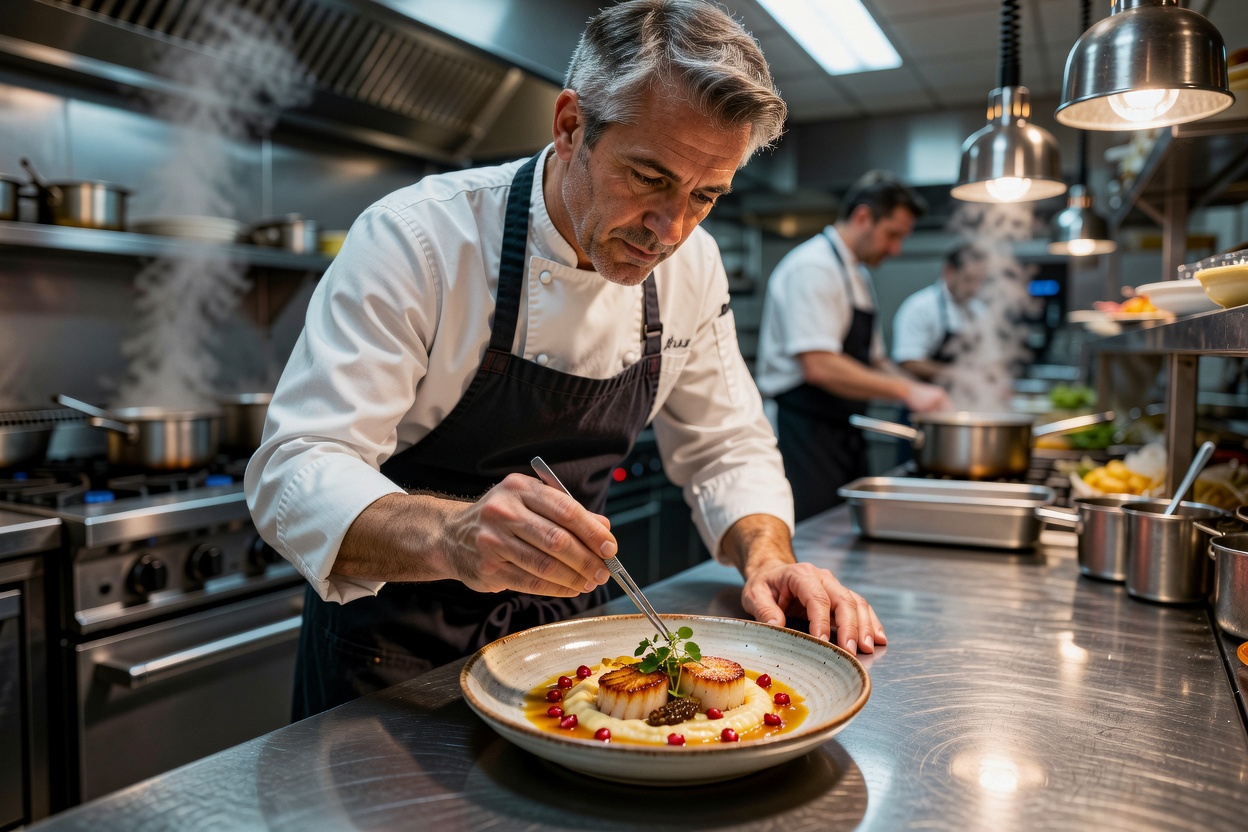
Examine how modern kitchen leads are challenging established culinary codes through hyper-local sourcing, zero-waste philosophies, and respectful reinventions of heritage dishes.
Read Talent Report
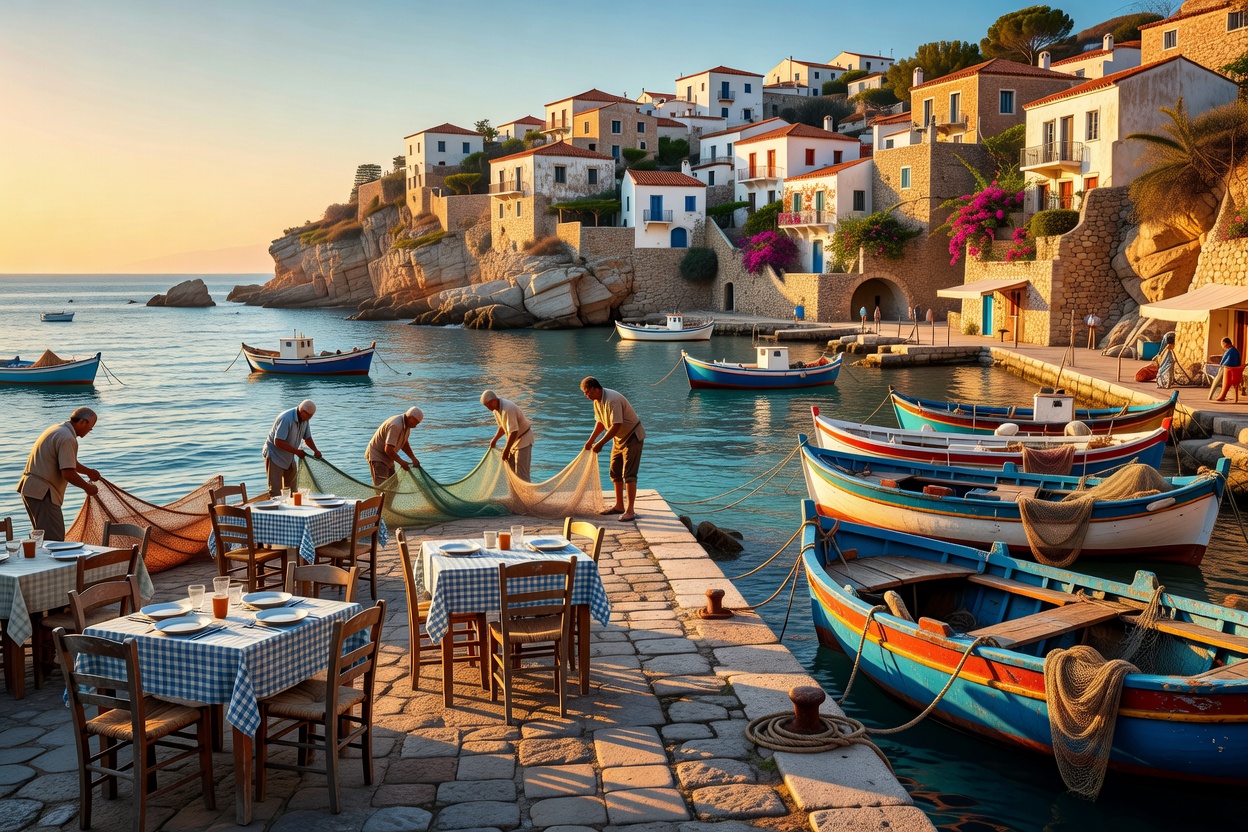
From Alpine dairies and Nordic preservation methods to Mediterranean coastal seafood traditions and Central European game, discover how geographic landscapes define plates.
Discover Regional Dining
A structured, 16-point framework for discerning diners. Filter by occasion, pacing, dietary adaptability, booking horizons, and regional integrity rather than relying on arbitrary stars.
View FrameworkPopular acclaim and guidebook accolades often reward conformity rather than distinctiveness. To uncover genuinely rewarding dining encounters, our editorial team analyses nine foundational pillars.
Direct supply links between kitchens, regional farmers, and fishing ports provide authentic connection to location rather than globalised luxury imports.
Independent chef-owned establishments frequently prioritize culinary voice and seasonal experimentation over brand scalability.
Thoughtful hospitality ranges from warm familial welcome to quiet precision, measured by sincerity rather than choreographed rigidity.
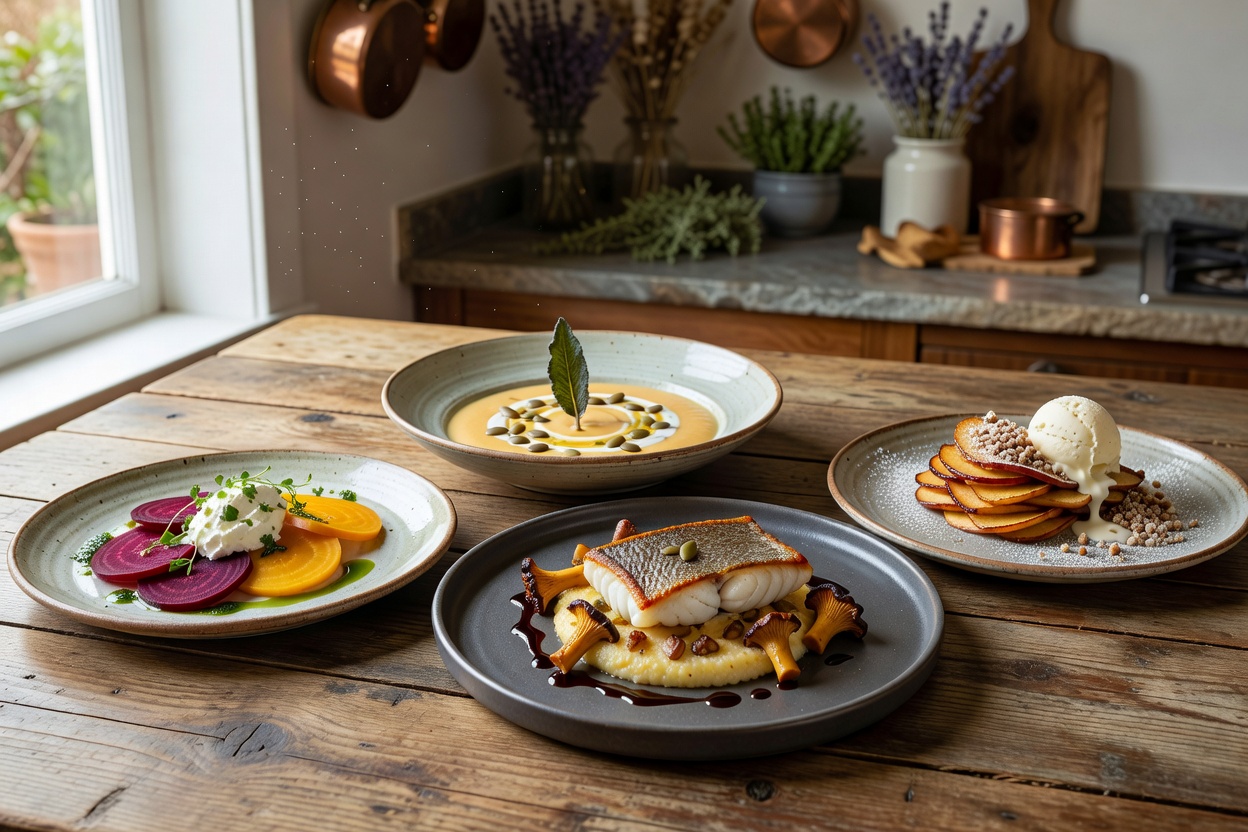
Concise, focused menus generally signal daily market visits, fresh batch preparation, and minimal kitchen wastage.
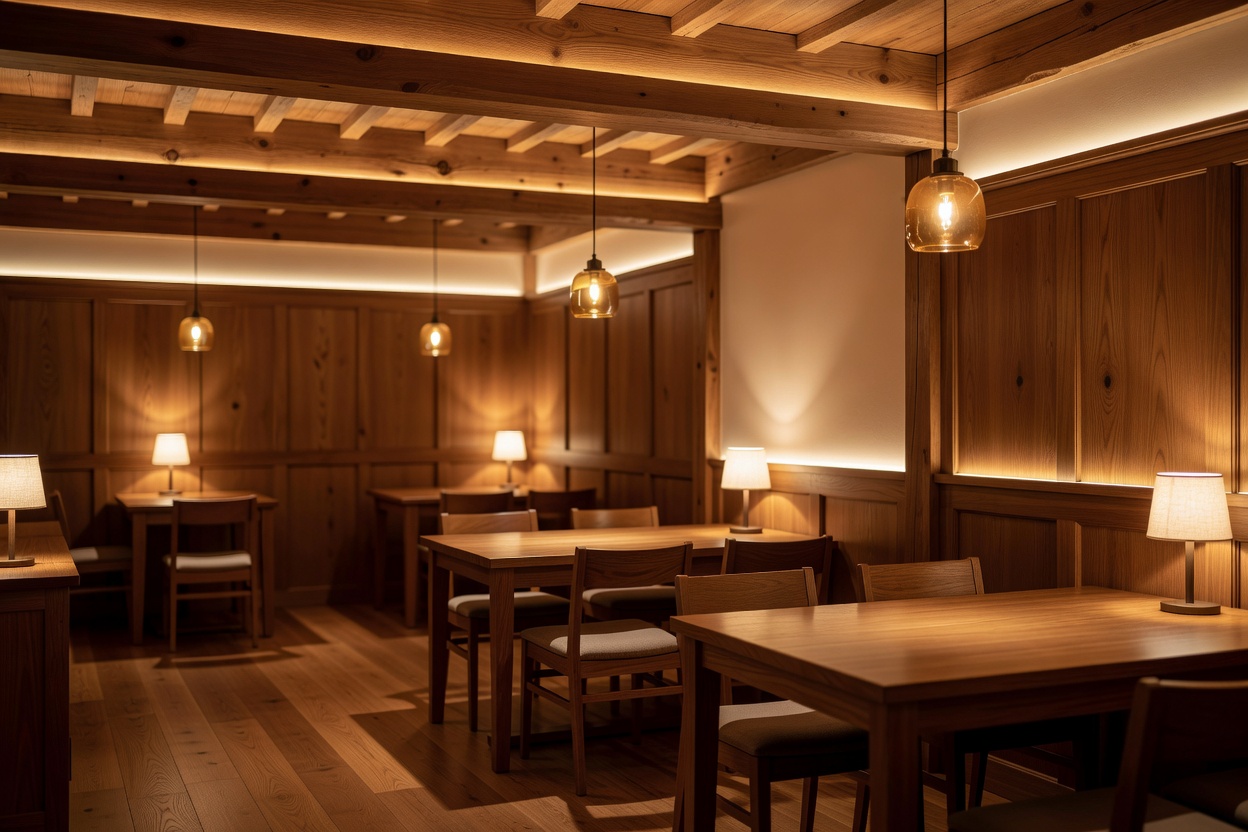
The visual setting, acoustic comfort, lighting, and table spacing should enhance conversation rather than create distracting theatre.
Whether a restaurant warrants an intentional rail or road detour across rural Europe relies on unique culinary identity unreachable elsewhere.
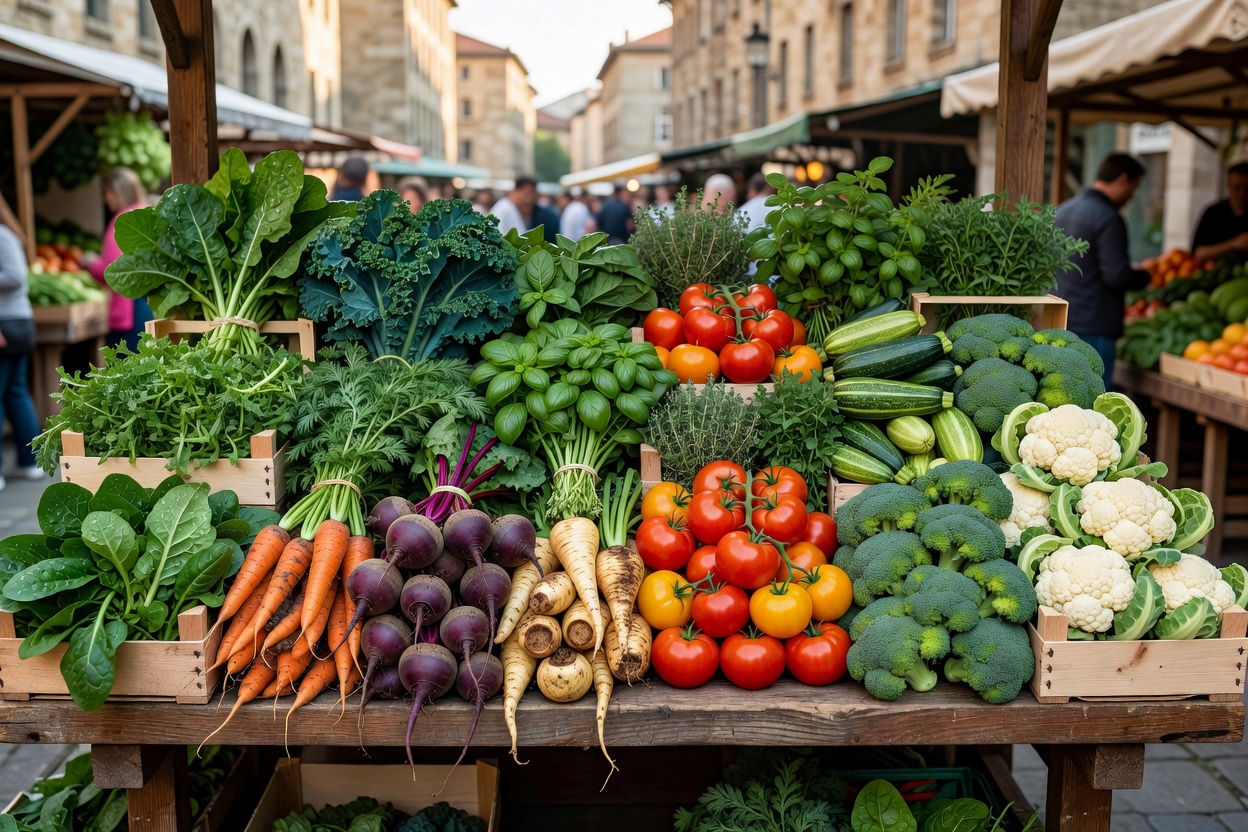
The finest European kitchens construct their menus from weekly harvests at regional stalls, celebrating brief micro-seasons such as wild asparagus, winter roots, and mountain herbs.
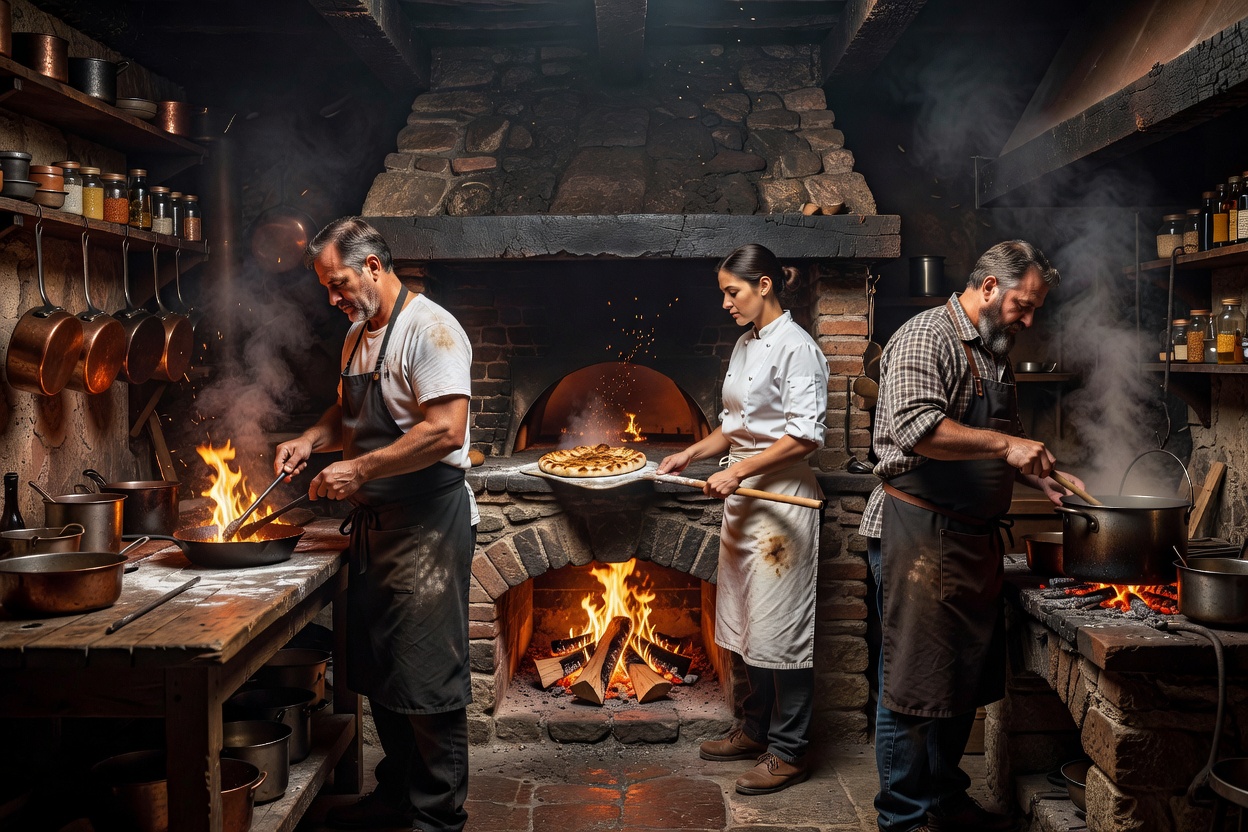
Contemporary cooking across the continent increasingly incorporates archaic methods: wood embers, brine fermentations, and clay-pot braising that honour culinary ancestry.